Culture blogs aiming to capture and retain audience attention around art exhibitions face a constant need for fresh, engaging content. Simply announcing an exhibition or posting a few images often falls short of building sustained interest or establishing authority. The challenge lies in translating a transient physical experience into compelling digital narratives that resonate with diverse art enthusiasts, from seasoned collectors to casual visitors. Effective content strategies move beyond basic event listings, offering unique perspectives, educational value, and interactive elements that extend the exhibition's lifespan and deepen reader engagement. This requires a deliberate approach to content ideation, focusing on angles that provide distinct value and cater to specific audience segments. The following ideas are designed to help culture blogs develop a robust content calendar, ensuring each piece contributes to their strategic goals of traffic generation, audience growth, and brand positioning within the art world. This proactive approach is key for culture blogs aiming for building evergreen traffic that lasts beyond the exhibition's run.
Selecting Strategic Content Angles for Culture Blogs
Before committing to a content idea, evaluate its alignment with your blog's specific niche, audience demographics, and overarching editorial goals. Consider the exhibition's nature: is it a blockbuster show with broad appeal, or a niche display targeting specialists? Your choice of content should reflect this. Assess the resources required for each idea, including access to curators, artists, or exhibition spaces, as well as the time investment for research, writing, and visual asset creation. Prioritize ideas that offer unique insights not easily found elsewhere, establishing your blog as a primary source for detailed, authoritative information. Content that fosters interaction or provides practical utility, such as visitor guides, often sees higher engagement. Finally, consider the long-term value: can the content be updated or repurposed, or does it have evergreen potential that will continue to attract traffic long after the exhibition closes?
1. Curator Interviews and Q&A Sessions
This content idea positions your blog as a direct conduit to expert insights, offering readers a privileged perspective on the exhibition's conceptual framework and development. Interviews can delve into the curatorial vision, the challenges of assembling the show, specific artistic choices, or the broader cultural conversations the exhibition aims to ignite. A Q&A format, particularly one incorporating reader-submitted questions, fosters direct engagement and satisfies specific curiosities that general exhibition reviews might overlook.
Best for: Blogs targeting serious art enthusiasts, students, or those interested in the academic and logistical aspects of exhibition-making. It establishes thought leadership and provides unique, first-person narratives.
Pros: Provides exclusive content that cannot be replicated by simply visiting the exhibition. Builds authority for your blog through association with experts. Offers evergreen potential if the interview covers foundational art historical or thematic concepts. High shareability among niche communities.
Cons: Requires securing access to busy curators, which can be challenging. Interview skills are necessary to elicit insightful responses. Transcription and editing can be time-consuming. The content's appeal might be limited to a more academic or specialized audience, potentially reducing broad traffic.
Verdict: A high-value content type for establishing expert authority and providing unique perspectives, best utilized when access to curators is secured and your audience values in-depth, authoritative commentary.
2. Artist Spotlights and Biographical Deep Dives
Focusing on one or more key artists within an exhibition allows for a narrative deep dive beyond the artwork itself. This content explores the artist's background, influences, artistic evolution, and their specific contributions to the exhibition's theme. It humanizes the art, making it more relatable by connecting it to the creator's life story and creative process. This approach can also highlight lesser-known artists whose work is particularly impactful within the exhibition's context.
Best for: Blogs aiming to connect art with human stories, appealing to readers interested in biography, creative processes, and the personal journeys behind artistic expression. Suitable for both general and specialized art audiences.
Pros: Adds a human element to art, increasing emotional resonance and relatability. Can uncover compelling narratives that drive engagement. Offers evergreen potential as biographical information remains relevant. Provides opportunities for rich visual content through archival images or studio shots.
Cons: Requires extensive research to ensure accuracy and depth, especially for lesser-known artists. May require copyright clearance for certain images or quotes. If not carefully contextualized, it can overshadow the exhibition's broader themes.
Verdict: An effective strategy for adding depth and narrative appeal to exhibition coverage, particularly useful for making complex art more accessible by focusing on the artists' journeys and contributions.
3. Thematic Explorations and Conceptual Analysis
This idea involves dissecting the core themes, concepts, or questions an exhibition presents. Instead of merely describing the art, this content explores the underlying ideas, philosophical implications, or societal relevance. It can connect the exhibition's themes to contemporary issues, historical movements, or other artistic disciplines, demonstrating the broader cultural impact and intellectual depth of the showcased works.
Best for: Blogs focused on art criticism, cultural commentary, or interdisciplinary studies. It appeals to readers seeking intellectual engagement and a deeper understanding of art's role in society.
Pros: Elevates the blog's intellectual standing and positions it as a source of critical thought. Generates discussion and debate among readers. Offers opportunities for original analysis and unique interpretations. Can attract a highly engaged, intellectually curious audience.
Cons: Requires strong analytical skills and a deep understanding of art theory or cultural studies. Can become overly academic or abstract if not grounded with concrete examples from the exhibition. May alienate general audiences if the language is too specialized.
Verdict: Essential for blogs aiming for intellectual depth and critical engagement, providing a platform for complex discussions that elevate the exhibition beyond a simple viewing experience.
4. Historical Context and Period Analysis
Placing an exhibition's artworks within their specific historical, social, or political context enriches understanding and provides a valuable educational layer. This content explores the conditions under which the art was created, the prevailing artistic movements, and how historical events influenced the artists or the themes presented. It can explain why certain techniques or subjects were popular at the time, or how the art reflects its era.
Best for: Educational blogs, art history enthusiasts, or general culture blogs aiming to provide comprehensive background information. It's particularly effective for historical exhibitions or retrospectives.
Pros: Provides essential background knowledge, making the art more comprehensible and meaningful. Offers significant educational value. Can draw in readers interested in history as well as art. Establishes the blog as a reliable source of well-researched information.
Cons: Requires meticulous historical research to ensure accuracy. Can become dry or overly academic if not presented engagingly. May require extensive image sourcing for contextual visuals, which can involve copyright complexities.
Verdict: A foundational content type for exhibitions with historical significance, providing crucial context that enhances appreciation and understanding for a broad audience.
5. Visitor Guides and Experience Walkthroughs
This practical content focuses on enhancing the physical exhibition visit. It can include practical tips (best times to visit, ticket information, accessibility), suggested viewing routes, highlights to look for, or even advice on how to engage with interactive elements. A "first-timer's guide" or "how to make the most of your visit" angle can be particularly useful, addressing common anxieties or maximizing the experience.
Best for: Blogs targeting local audiences, tourists, or general visitors seeking practical advice and a curated experience. It addresses immediate user needs and drives foot traffic to the exhibition.
Pros: Highly practical and directly addresses user intent for planning a visit. Can drive significant local search traffic. Provides immediate value and builds trust with readers. Offers opportunities for integrating maps, photos, and practical links.
Cons: Information can quickly become outdated (e.g., changing hours, ticket prices). Requires frequent updates to remain accurate. Less evergreen than conceptual content. Can feel less "intellectual" for blogs aiming for critical commentary.
Verdict: An indispensable content type for attracting and assisting visitors, offering immediate utility and driving engagement by directly addressing logistical and experiential needs.
6. "Art for Beginners" Deconstructions
This approach simplifies complex art concepts, movements, or specific artworks within an exhibition for a general audience with limited art historical background. It breaks down intimidating jargon, explains artistic techniques in clear language, and offers accessible interpretations. This content aims to demystify art, making it approachable and enjoyable for those new to the art world.
Best for: Blogs aiming for broad appeal, educational outreach, or those serving a general interest audience. It helps expand the art audience by lowering barriers to entry.
Pros: Significantly broadens audience reach by appealing to non-specialists. Increases accessibility and engagement for a wider demographic. Can serve as evergreen educational content. Positions the blog as a friendly, welcoming resource for art newcomers.
Cons: Requires careful simplification without over-dumbing or misrepresenting complex ideas. May be perceived as too basic by seasoned art enthusiasts. Balancing depth with accessibility can be challenging.
Verdict: Crucial for audience expansion and education, effectively bridging the gap between expert knowledge and general interest, making art exhibitions more welcoming to a diverse public.
7. Interactive Polls, Quizzes, and Challenges
Beyond static articles, incorporating interactive elements related to an exhibition can significantly boost engagement. This could include polls asking readers about their favorite piece, quizzes testing their knowledge of an artist or period, or challenges like "find these five details in the exhibition." These elements encourage active participation and provide immediate feedback.
Best for: Blogs prioritizing audience engagement, social sharing, and a more playful, educational approach. It works well for exhibitions with distinct visual elements or clear themes.
Pros: Drives high user engagement and time on page. Encourages social sharing and virality. Provides valuable audience insights through poll results. Can be easily integrated into existing content or used as standalone pieces.
Cons: Requires a platform or tools to create interactive elements. Design and question formulation need to be compelling to avoid low participation. The content's shelf life might be shorter than in-depth articles.
Verdict: An excellent method for increasing audience interaction and data collection, transforming passive consumption into active participation and enhancing the overall digital experience.
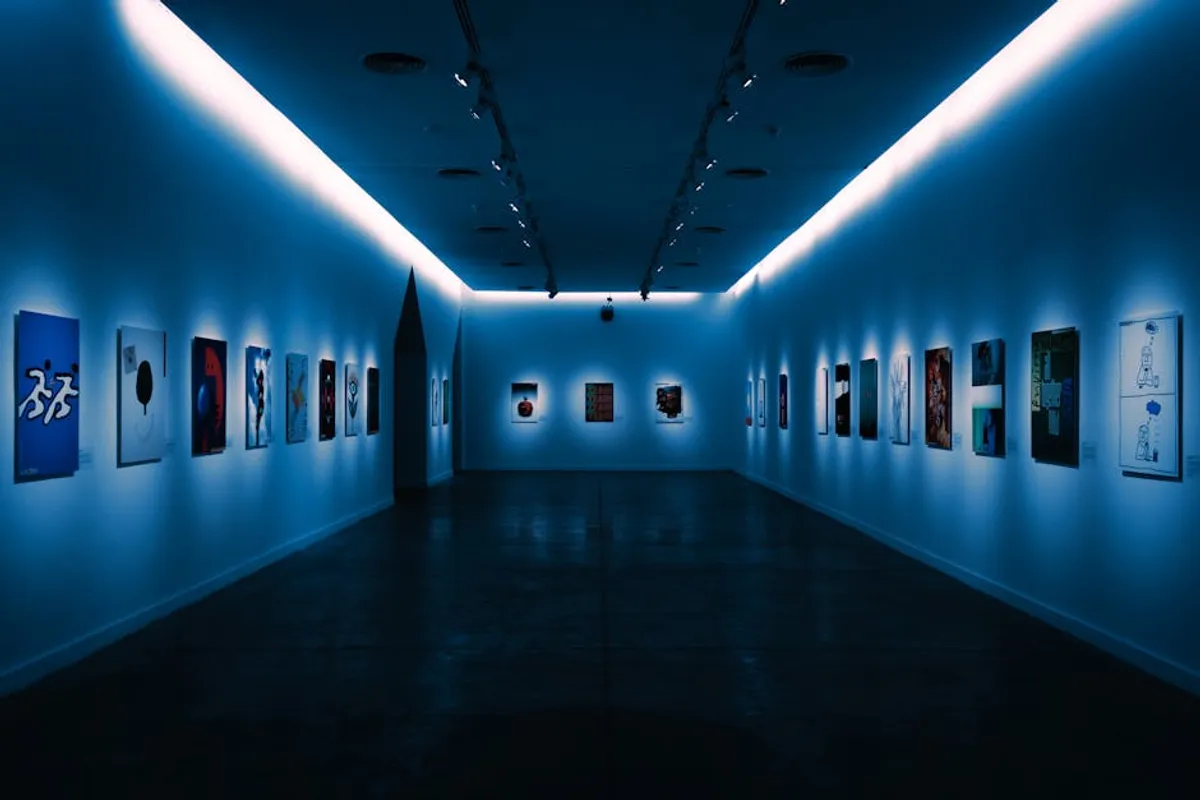
8. Photography and Visual Essays
An exhibition is inherently visual, and content that leverages high-quality photography with minimal, evocative text can be incredibly impactful. A visual essay tells a story primarily through images, focusing on aesthetic details, installation views, or the juxtaposition of artworks. This approach allows the art to speak for itself, guided by thoughtful curation of visuals and concise captions.
Best for: Blogs with strong visual aesthetics, photographers, or those aiming to showcase the beauty of the exhibition directly. It appeals to audiences who prefer visual storytelling over extensive text.
Pros: Highly engaging and shareable, particularly on visual platforms. Showcases the art directly and beautifully. Can convey atmosphere and scale effectively. Requires less extensive writing than analytical pieces.
Cons: Requires high-quality photography skills and equipment. Obtaining permission for professional photography within exhibition spaces can be difficult or require specific press access. Image rights and attribution are critical and can be complex.
Verdict: A powerful content format for visually driven exhibitions, offering an immediate and direct aesthetic experience that can capture attention and convey the essence of the show.
9. Behind-the-Scenes Installation Process
Documenting the complex process of installing an art exhibition offers a unique glimpse into the unseen labor and expertise involved. This content can cover everything from transportation and conservation considerations to the precise placement of artworks and lighting design. It demystifies the museum or gallery world and highlights the professionalism required to bring such events to fruition.
Best for: Blogs interested in the logistics, technical aspects, and operational side of the art world. Appeals to aspiring museum professionals, art students, or those curious about how exhibitions are made.
Pros: Offers truly exclusive, unique content that few others can provide. Builds appreciation for the effort involved in exhibitions. Creates a sense of privilege for the reader. Can be highly visual, leveraging photos or short videos of the process.
Cons: Requires special access and permission from the venue, often during non-public hours. Content creation can be disruptive to the installation team. The narrative might be less appealing to a general audience focused solely on the art itself.
Verdict: A niche but highly valuable content type for showcasing the intricate world behind exhibitions, cultivating a deeper appreciation for the operational artistry involved.
10. Conservation and Restoration Insights
Focusing on the preservation aspect of artworks within an exhibition provides a fascinating angle, particularly for older or delicate pieces. This content can explore the history of an artwork's conservation, the techniques used for restoration, or the science behind preserving materials. It highlights the longevity of art and the dedication required to maintain cultural heritage.
Best for: Blogs with a scientific, historical, or technical bent. Appeals to readers interested in the material culture of art, science in art, or the practical challenges of preservation.
Pros: Offers a unique, educational perspective not commonly covered. Highlights the scientific and technical expertise within the art world. Can feature compelling before-and-after visuals. Positions the blog as a source of specialized knowledge.
Cons: Requires access to conservators or detailed information about specific artworks' conservation histories. Can involve complex scientific terminology that needs careful explanation. Visuals might be limited if conservation work was done off-site or long ago.
Verdict: An excellent choice for adding a layer of scientific and historical depth, appealing to an audience fascinated by the material life of artworks and the craft of preservation.
11. Local Impact and Community Connection
This content explores how an exhibition connects with its host city, local community, or regional art scene. It can highlight local artists influenced by the exhibition's themes, discuss community programs associated with the show, or explore the economic and cultural impact on the area. This approach grounds the exhibition in its immediate environment, making it more relevant to local readers.
Best for: Local culture blogs, city guides, or blogs aiming to emphasize community engagement and the broader societal role of art institutions. It fosters local pride and participation.
Pros: Highly relevant for local SEO and attracting a regional audience. Fosters community engagement and support for local institutions. Can lead to collaborations with local organizations or artists. Provides a unique, localized angle not found in national coverage.
Cons: Relevance is geographically limited, potentially reducing broader reach. Requires local networking and research to identify connections. The impact might be less pronounced for touring exhibitions with less local integration.
Verdict: Essential for building local relevance and community ties, transforming a global art event into a locally significant cultural moment that resonates with specific geographic audiences.
12. Future Trends and Legacy Analysis
This content looks beyond the immediate exhibition, considering its potential long-term influence, its place in art history, or how it might foreshadow future artistic trends. It can involve speculative analysis, comparisons to past influential shows, or discussions about how the exhibition redefines a genre or artist's legacy. This approach positions the blog as forward-thinking and analytical.
Best for: Blogs focused on art criticism, future studies, or those aiming to provide a high-level, analytical perspective on contemporary art's trajectory. It appeals to readers interested in art's evolution.
Pros: Positions the blog as a thought leader and trend-spotter. Encourages intellectual debate and long-term reflection. Can generate evergreen content as historical perspectives evolve. Appeals to an audience interested in the broader arc of art history and contemporary movements.
Cons: Requires significant analytical skill and a deep understanding of art historical context and contemporary movements. Can be speculative, requiring careful justification of claims. May be less accessible to general audiences who prefer more concrete information.
Verdict: A powerful content strategy for blogs seeking to establish intellectual authority and engage with the broader implications of art, offering a forward-looking perspective on cultural impact.
Measuring Content Performance and Optimizing Strategy
To ensure your art exhibition content drives measurable results, track key performance indicators. Monitor organic search traffic to individual articles, paying attention to keyword rankings and user intent. Analyze engagement metrics such as time on page, bounce rate, and scroll depth to understand how deeply readers interact with your content. Social shares and comments indicate audience resonance and content virality. For visitor guides, track referral traffic to the exhibition's official site or ticket sales if applicable. Use these insights to refine your content strategy: double down on ideas that perform well, iterate on those with moderate success, and re-evaluate underperforming formats. A/B test headlines, image choices, and call-to-action placements to continuously optimize for better engagement and conversion. The goal is to create a feedback loop where data informs future content decisions, ensuring your blog remains a dynamic and valuable resource for art enthusiasts.
Frequently Asked Questions About Art Exhibition Content
Q: How frequently should I publish art exhibition content?
A: The ideal frequency depends on the exhibition schedule, your internal resources, and audience expectations. For major exhibitions, a staggered approach with pre-opening teasers, in-depth reviews, and post-event reflections can maintain interest. Aim for consistency rather than overwhelming volume, ensuring each piece is high quality.
Q: Should I focus on local or international exhibitions?
A: This choice should align with your blog's target audience and geographic focus. Local exhibitions can drive immediate foot traffic and build community ties, while international shows offer broader appeal and establish global authority. A balanced approach, covering both where relevant, can maximize reach.
Q: How can I make content about past exhibitions relevant?
A: Repurpose past exhibition content by connecting it to current events, anniversaries, or new academic research. Create "then and now" comparisons, explore the legacy of the exhibition, or use it as a case study for broader artistic movements. Update old posts with new insights or related current events to maintain their evergreen value.
Q: Is video content effective for art exhibitions?
A: Yes, video content can be highly effective for conveying the atmosphere of an exhibition, offering virtual tours, or featuring short interviews with artists and curators. Short-form videos for social media can drive initial interest, while longer-form pieces can provide deeper engagement. Ensure high production quality to reflect the art's value.
Q: How do I handle copyright for images of artworks?
A: Always assume artworks are copyrighted unless explicitly stated otherwise. Obtain permission from the artist, their estate, or the institution holding the exhibition. Many museums offer press kits with approved images for media use. Clearly attribute all images and adhere to fair use guidelines where applicable, or license images from stock providers specializing in art.