
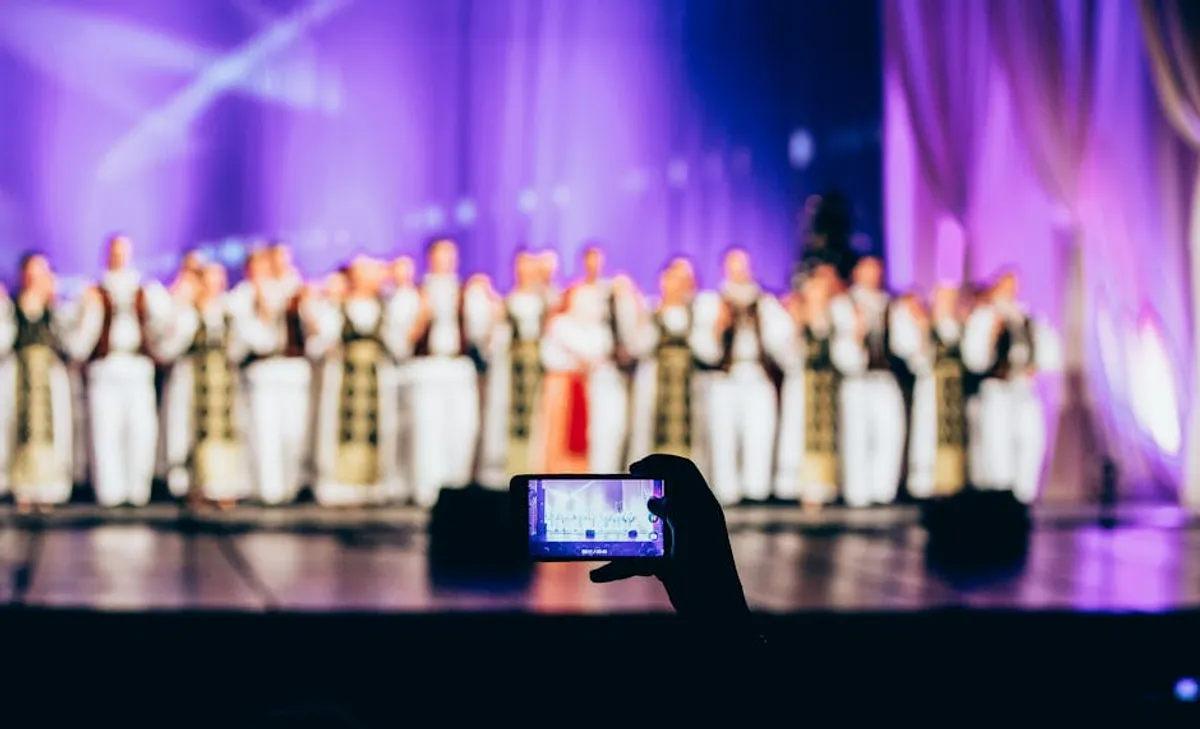
Cultural events are frequently viewed as mere entertainment, but their role extends far beyond leisure. For community leaders, urban planners, and local businesses, understanding these events as strategic investments is critical. They function as catalysts for economic development, social cohesion, and the cultivation of a distinct community identity. The decision to invest in or host cultural events is a commitment to fostering environments where residents thrive, local economies strengthen, and a shared sense of belonging is actively built. This perspective shifts cultural programming from an optional amenity to an essential component of sustainable community growth, demanding a focus on measurable impact and strategic execution.
Understanding Community Growth Through Cultural Investment
Community growth, in the context of cultural events, encompasses more than just population increase or new infrastructure. It refers to the enhancement of a community’s overall well-being, resilience, and attractiveness. Cultural events contribute by stimulating local economies, fostering social capital, attracting external investment, and retaining talent. These events create temporary economic ecosystems, drawing visitors who spend on accommodation, dining, retail, and local services. Beyond direct financial transactions, they also build a community's brand, making it a desirable place to live, work, and visit, which has long-term implications for property values and business relocation decisions.
Economic Stimuli and Local Business Support
Cultural events inject capital directly into the local economy. Consider a weekend arts festival: it generates revenue for local artists through sales, for food vendors through concessions, and for nearby restaurants, hotels, and transportation services due to increased visitor traffic. These events often require local services for setup, security, marketing, and waste management, creating temporary employment opportunities. The economic multiplier effect means that initial spending cycles through the local economy multiple times, generating further income and employment. For small businesses, participation in these events provides direct sales channels and unparalleled marketing exposure to new customer segments.
Best for: Driving immediate revenue for local businesses, showcasing local talent, and increasing tourism spending.
Diverse Cultural Events and Their Distinct Impacts
The type of cultural event dictates its specific impact and the community segments it serves. Strategic planning involves selecting events that align with community goals and existing resources.
Festivals and Public Celebrations
These events, ranging from music festivals to seasonal harvests or heritage celebrations, are designed for mass appeal and often draw attendees from outside the immediate area. They excel at generating significant foot traffic and media attention. Their impact is primarily economic through tourism and retail, but also social by providing shared experiences that reinforce community identity.
- Economic Impact: Increased hotel occupancy, restaurant sales, local retail purchases, and temporary job creation.
- Social Impact: Enhanced community pride, opportunities for inter-group interaction, and creation of memorable shared experiences.
- Commercial Benefit: Boosts local business revenue, provides marketing platforms for sponsors, and elevates the community’s profile as a tourist destination.
Arts and Performance Events
Concerts, theater productions, art exhibitions, and dance performances often cater to specific niches but contribute significantly to a community's cultural vibrancy. These events can attract a dedicated audience, some of whom are high-value cultural tourists. They also support local artists and creative industries, fostering a creative economy.
- Economic Impact: Supports local artists, performers, and creative professionals; generates ticket sales and related spending (dining, parking).
- Social Impact: Enriches cultural life, provides educational opportunities, and fosters a sophisticated community image.
- Commercial Benefit: Attracts residents and visitors interested in cultural experiences, potentially increasing property values in cultural districts, and supporting creative sector businesses.
Educational and Heritage Programs
Workshops, historical reenactments, museum exhibits, and cultural lectures focus on preserving and transmitting knowledge, traditions, and history. While their direct economic impact might be less immediate than large festivals, they build long-term community resilience and attract intellectual capital.
- Economic Impact: Supports educational institutions, cultural organizations, and related service providers; can attract grants and funding for preservation.
- Social Impact: Strengthens intergenerational ties, preserves cultural heritage, and fosters a sense of collective memory and identity.
- Commercial Benefit: Enhances the community's reputation as a center for learning and heritage, attracting residents and businesses that value cultural depth and educational opportunities.
Pro Tip: Authenticity is paramount. Cultural events that genuinely reflect the community's heritage, values, or contemporary artistic expressions resonate more deeply and build stronger, more sustainable connections than those perceived as purely commercial or generic. Prioritize local voices and traditions to ensure lasting impact.
Strategic Planning for Maximum Community Impact
Effective cultural event planning extends beyond logistics; it involves strategic alignment with community development goals. This includes identifying target audiences, securing diverse funding streams, and building robust partnerships.
Audience Engagement and Inclusivity
Designing events that appeal to a broad spectrum of the community, including diverse age groups, ethnicities, and socio-economic backgrounds, maximizes social cohesion. This requires active community input during the planning phase to ensure relevance and accessibility. Consider multi-lingual outreach, accessible venues, and varied pricing structures.
Funding and Partnerships
Sustainable cultural events rarely rely on a single funding source. A mix of public grants (local, state, national), corporate sponsorships, private donations, and ticket sales creates financial stability. Partnerships with local businesses, educational institutions, and non-profit organizations can provide resources, volunteer support, and expanded reach, transforming an event into a collaborative community effort.
Measuring Success Beyond Attendance Figures
While attendance is a basic metric, true community growth requires deeper analysis. Consider:
- Economic Impact Assessments: Quantify direct and indirect spending, job creation, and tax revenue generated.
- Social Capital Metrics: Surveys on perceived safety, community pride, inter-group interactions, and volunteer participation rates.
- Media Reach and Brand Enhancement: Track local and regional media coverage, social media engagement, and sentiment analysis to gauge improvements in community reputation.
- Participant Feedback: Collect qualitative data on event satisfaction, perceived value, and suggestions for future improvements.
Sustaining Growth Through Cultural Programming
The goal is not just a single successful event, but the establishment of a vibrant cultural ecosystem that consistently contributes to community growth. This involves long-term vision and continuous adaptation.
Develop a calendar of diverse cultural offerings throughout the year, avoiding seasonal gaps. Invest in local cultural infrastructure, such as performance venues, art studios, and community centers, which serve as permanent hubs for creative activity. Foster local talent through workshops, mentorship programs, and performance opportunities, ensuring a pipeline of cultural contributors. Regularly evaluate event impact and adapt programming based on community feedback and evolving needs. By embedding cultural events into the fabric of community development, towns and cities can cultivate dynamic, resilient, and economically vibrant environments for the long term.
Frequently Asked Questions
How do cultural events specifically benefit local businesses?
Cultural events increase foot traffic, drawing potential customers directly to local shops, restaurants, and service providers. They also offer direct vending opportunities, marketing exposure, and a chance for businesses to align with positive community initiatives through sponsorship.
What is the most effective way to fund cultural events for maximum community impact?
A diversified funding strategy is most effective, combining public grants, corporate sponsorships, private donations, and ticket sales. This approach ensures financial stability and reduces reliance on any single source, allowing for more ambitious and inclusive programming.
Beyond economic metrics, how can communities measure the social impact of cultural events?
Social impact can be measured through resident surveys assessing community pride, sense of belonging, and inter-group interactions. Tracking volunteer participation, civic engagement rates, and qualitative feedback on shared experiences also provides valuable insights into social cohesion.
How can cultural events contribute to long-term community resilience and identity?
By celebrating local heritage, fostering artistic expression, and creating shared experiences, cultural events strengthen collective memory and pride. This builds social capital, encourages civic participation, and enhances the community's unique identity, making it more attractive for residents and businesses over time.