
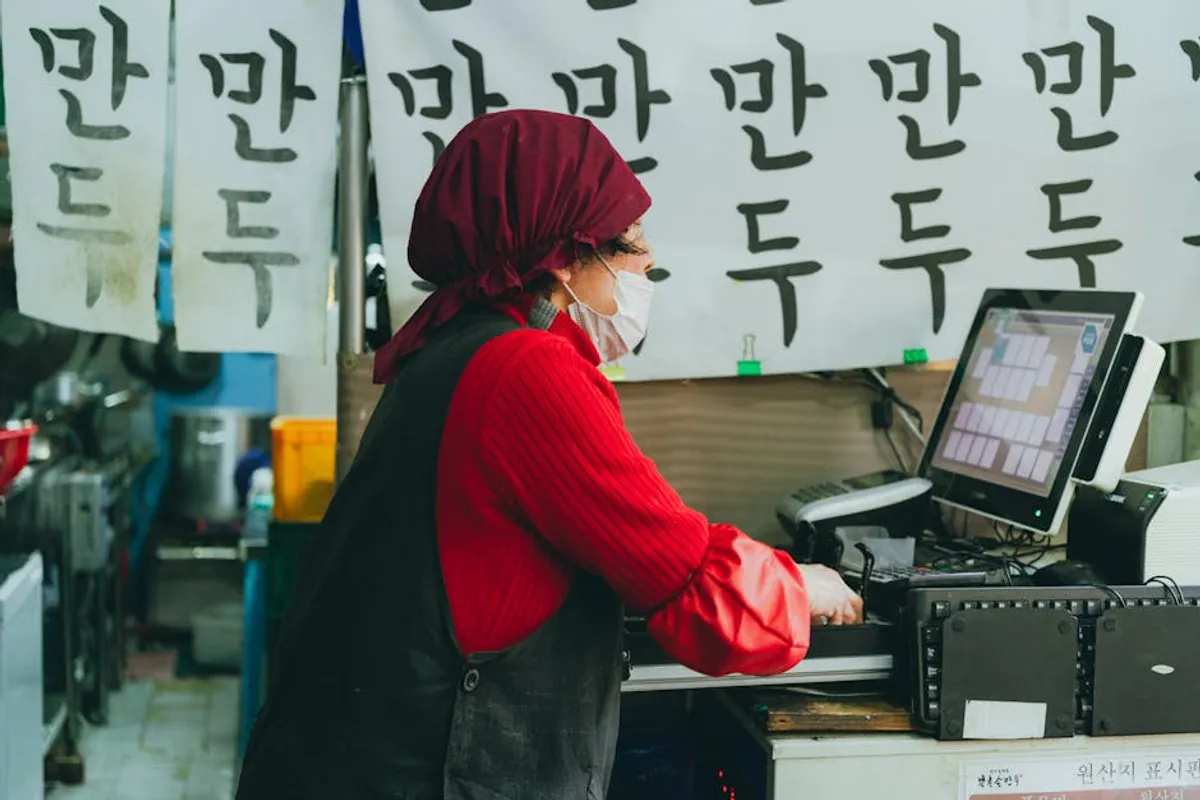
For marketers, content strategists, and SEO professionals, understanding the intricate relationship between local culture and creative communities offers a distinct advantage in audience engagement and content resonance. This isn't merely about geographical targeting; it's about recognizing how shared histories, traditions, social norms, and vernacular expressions within a specific locale fundamentally influence the art, narratives, and communication styles of its resident creators. Leveraging this insight allows for the development of content that moves beyond generic appeal, fostering deeper connections by mirroring the authentic voice and values of a target community. This article explores the mechanisms through which local culture shapes creative output, and critically, how this understanding can be translated into more effective commercial and communicative strategies.
The Interplay of Local Culture and Creative Expression
Defining Local Culture's Components
Local culture encompasses a complex tapestry of elements unique to a specific geographic area. These are not static but evolve, reflecting historical events, migration patterns, economic shifts, and prevailing social dynamics. For creative communities—groups of individuals who share a common interest in artistic or innovative pursuits—this cultural bedrock provides both inspiration and a framework for expression. Their collective output, whether music, visual art, literature, or digital content, often serves as a mirror to the local ethos, capturing its distinct character and concerns.
Consider the following cultural components that actively shape creative output:
- Shared Histories and Folklore: Local legends, historical events, and collective memories provide rich narrative fodder and symbolic references.
- Vernacular and Dialect: Specific linguistic nuances, slang, and idiomatic expressions imbue creative works with authenticity and local flavor.
- Social Norms and Values: Community expectations, ethical frameworks, and prevalent belief systems guide thematic choices and acceptable forms of expression.
- Economic Realities: The local industry, employment landscape, and economic struggles or successes often become central themes or influence the accessibility of creative tools and platforms.
- Environmental Context: Geographic features, climate, and local flora/fauna can inspire visual motifs, metaphors, and sensory details in creative works.
How Local Identity Fuels Creative Output
Narrative Resonance and Thematic Depth
Creative communities draw heavily on local narratives, transforming them into universally relatable stories while retaining their specific cultural imprint. This deep well of shared experience allows creators to produce content that resonates profoundly with local audiences, often evoking a sense of belonging or shared understanding that generic content cannot. For instance, a musician from New Orleans might infuse jazz or blues elements, reflecting the city's musical heritage, while a street artist in Berlin might incorporate political commentary relevant to its historical divisions and contemporary social movements. These cultural touchstones provide thematic depth, making the creative work more meaningful and distinctive.
Aesthetic and Stylistic Signatures
Beyond themes, local culture dictates specific aesthetic preferences and stylistic approaches. Visual arts might adopt color palettes inspired by local landscapes or traditional crafts. Literature might employ narrative structures or character archetypes common in local storytelling traditions. Even digital content, from meme culture to video formats, can exhibit regional variations in humor, pacing, and visual cues. Recognizing these stylistic signatures is critical for marketers aiming to produce localized campaigns; an advertisement that aligns with local aesthetic sensibilities will inherently feel more authentic and less intrusive than one imposed from an external, generalized framework.
PRO TIP: When engaging with local creative communities, avoid the trap of cultural appropriation. Instead, seek genuine collaboration and co-creation. Partner with local artists, writers, or content creators who inherently understand and embody the cultural nuances. This not only ensures authenticity but also fosters goodwill and community trust, which are invaluable long-term assets for any brand or campaign.
Commercial Applications for Targeted Engagement
Hyper-Local Content Strategy
For SEO and content marketing, understanding local cultural shaping means moving beyond basic geo-targeting to a hyper-local content strategy. This involves creating content that directly addresses the unique interests, concerns, and language patterns of a specific locale's creative community. This could manifest as blog posts detailing local art events, interviews with regional creators, or digital campaigns that incorporate local slang or landmarks. Such content is more likely to rank for specific long-tail keywords relevant to that community and generate higher engagement rates due to its immediate relevance and authenticity.
Best for: Brands seeking to establish deep roots in specific geographical markets, local businesses, or platforms aiming to curate region-specific creative talent.
Community Building and Influencer Identification
Local culture also dictates the structure and dynamics of creative communities themselves. Understanding these structures helps identify key influencers and community hubs. For example, a local poetry slam organizer, a popular independent bookstore owner, or the administrator of a regional online artists' forum might hold significant influence within their respective creative circles. Engaging these individuals or entities, rather than relying on broad, national-level influencers, can unlock more targeted and credible reach within a specific cultural context. This approach fosters genuine community building, transforming passive consumers into active participants and advocates.
Localized Keyword Research and Semantic Nuances
The impact of local culture extends directly into keyword research. Regional dialects, specific cultural references, and local terminology can significantly alter search queries. For example, 'street art festival' might be a generic term, but a local community might search for 'Mural Fest [City Name]' or 'Graffiti Jam [Neighborhood]'. Semantic analysis must account for these variations. Understanding the cultural context helps anticipate how a local audience phrases their needs and interests, leading to more precise keyword targeting and improved local search visibility. This precision translates into higher click-through rates and better conversion potential, as searchers find content that directly speaks their language and addresses their specific cultural context.
Cultivating Authentic Connections
The commercial value derived from understanding how local culture shapes creative communities lies in its ability to foster authenticity. In an increasingly globalized digital landscape, audiences are more attuned to genuine connections and less receptive to generic, mass-produced content. By investing in the research and understanding of local cultural nuances, marketers and content strategists can craft campaigns that resonate on a deeper, more personal level. This approach not only enhances brand perception but also contributes to the vitality of local creative ecosystems, creating a symbiotic relationship where commercial goals align with cultural enrichment. It's about moving beyond transactional interactions to building lasting relationships rooted in shared cultural appreciation.
Frequently Asked Questions
What is a creative community in this context?
A creative community refers to a group of individuals within a specific geographical area who share common interests and actively engage in artistic, innovative, or expressive pursuits, often influencing each other's work and contributing to the local cultural landscape.
How does local culture impact content marketing strategy?
Local culture impacts content marketing by providing unique themes, linguistic nuances, aesthetic preferences, and social values that can be integrated into content. This allows for the creation of hyper-local, authentic content that resonates more deeply with specific regional audiences, improving engagement and relevance.
Can cultural nuances affect SEO performance?
Yes, cultural nuances significantly affect SEO. They influence keyword selection (local slang, specific event names), content relevance (addressing local concerns), and backlink opportunities (engaging local community hubs). Content that authentically reflects local culture is more likely to be found and valued by local searchers, improving local search rankings and visibility.
What is the best way to research local cultural elements for marketing?
Effective research involves a multi-faceted approach: engaging directly with local community leaders, artists, and residents; analyzing local news, events, and social media discussions; studying regional history and folklore; and observing local artistic trends and consumer behaviors. Authentic immersion and collaboration are key to uncovering genuine cultural insights.