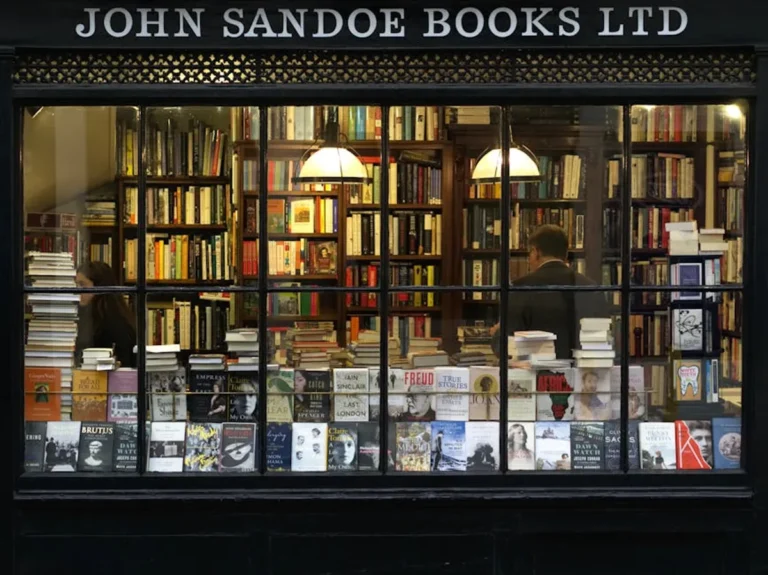
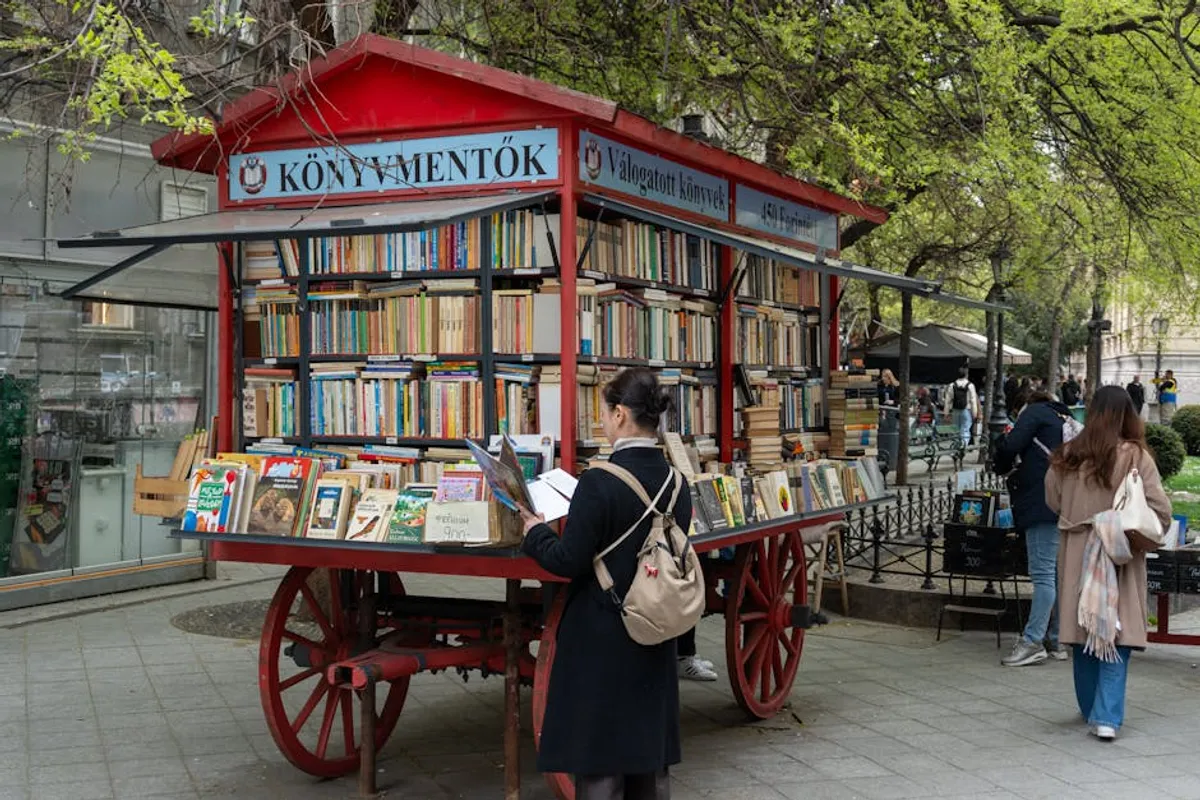
Literary tourism represents a distinct and growing niche within the travel industry, attracting individuals who seek deeper connections to their favorite books and authors. For travel agencies, destination marketers, and content creators, understanding this segment means recognizing the commercial value in curating experiences around iconic literary landmarks, author residences, and the landscapes that inspired classic works. This form of travel moves beyond general sightseeing, offering an immersive journey into the worlds created by writers, providing tangible links to narratives that have shaped culture and personal identity. Identifying and promoting these specific destinations allows for targeted marketing, specialized tour development, and the creation of unique, high-value travel packages that resonate with a passionate audience.
Iconic Literary Cities and Their Enduring Appeal
Certain global cities serve as epicenters for literary heritage, drawing visitors eager to walk in the footsteps of celebrated writers. These urban environments offer a dense concentration of sites, making them ideal for multi-day literary itineraries.
London: A Canvas for Classics
London's literary tapestry is woven with centuries of storytelling. Visitors can explore Shakespeare's Globe Theatre, a meticulous reconstruction offering performances and historical context, directly connecting audiences to Elizabethan drama. The British Library houses an unparalleled collection of literary treasures, including original manuscripts from Austen, Dickens, and the Brontës, providing a tangible link to their creative processes. Charles Dickens's House Museum in Bloomsbury offers an intimate glimpse into the author's life and the inspiration for many of his novels. The city's literary walking tours often trace the paths of characters or authors through specific neighborhoods, like the intellectual haunts of the Bloomsbury Group, providing context to their works.
Commercial utility: These locations support themed walking tours, specialized exhibitions, and educational programs. Travel agencies can bundle access to multiple sites with accommodations, offering a comprehensive literary London experience. Publishers can leverage these sites for book launches or author events, creating buzz around new releases.
Paris: The Muse of Modernists
Paris has long been a beacon for writers, particularly during the 20th century. Shakespeare and Company, the iconic English-language bookstore on the Left Bank, remains a pilgrimage site for bibliophiles, echoing its history as a haven for Hemingway, Joyce, and Fitzgerald. The Latin Quarter, with its historic universities and cafés, still evokes the intellectual ferment that nurtured generations of writers. Victor Hugo's former residence in Place des Vosges offers insight into his life and work, particularly "Les Misérables."
Commercial utility: Paris lends itself to literary café tours, explorations of specific author haunts, and partnerships with independent bookstores. The city's romantic image combined with its literary history creates opportunities for high-end, culturally rich travel packages.
Edinburgh: The Storytelling Capital
Designated a UNESCO City of Literature, Edinburgh boasts a rich literary tradition spanning from Robert Louis Stevenson and Sir Walter Scott to contemporary authors like J.K. Rowling. The Edinburgh Literary Pub Tour offers a guided journey through historic pubs associated with famous writers, blending local history with anecdotes. The National Library of Scotland holds significant collections, while various statues and plaques commemorate the city's literary giants. The city's dramatic landscape and historic closes often served as direct inspiration for gothic tales and fantasy novels.
Commercial utility: Edinburgh's literary festivals and events provide seasonal spikes in tourism. Tour operators can develop itineraries focused on specific genres (e.g., crime fiction, fantasy) or authors, attracting niche audiences. Local businesses benefit from increased foot traffic to pubs, bookstores, and museums.
Immersive Author Homes and Museums
Visiting an author's home provides an unparalleled sense of intimacy, allowing visitors to connect with the physical spaces where creativity flourished. These sites often preserve personal artifacts, offering a direct link to the author's daily life and inspirations.
Jane Austen's Chawton Cottage (England)
Located in Hampshire, Chawton Cottage is where Jane Austen lived and wrote her most celebrated novels, including "Pride and Prejudice" and "Emma." The house is preserved as a museum, displaying her writing desk, personal letters, and period furniture. The surrounding village and gardens offer a tranquil setting that directly influenced her work and provide context for the societal norms depicted in her books.
Commercial utility: The cottage attracts dedicated Austen fans, supporting themed tea parties, literary workshops, and gift shop sales. It can be integrated into broader literary tours of southern England, appealing to a demographic interested in historical fiction and period drama.
Emily Dickinson Museum (Amherst, USA)
The Emily Dickinson Museum comprises two historic houses in Amherst, Massachusetts: The Homestead, where the poet was born and lived most of her life, and The Evergreens, home to her brother Austin and his family. The preserved rooms and gardens offer insight into her reclusive existence and the domestic environment that shaped her profound poetry. Exhibits detail her life, family, and the literary context of her era.
Commercial utility: This site appeals to poetry enthusiasts and academics, supporting educational programs, poetry readings, and local literary trails. It highlights the intellectual history of New England, drawing visitors interested in American literary movements.
Anne Frank House (Amsterdam, Netherlands)
The Anne Frank House is not just a literary site but a powerful historical landmark. The preserved annex where Anne Frank and her family hid during World War II, along with her original diary, offers a deeply moving and educational experience. The museum contextualizes her story within the broader history of the Holocaust, emphasizing the enduring power of her words.
Commercial utility: While primarily historical, the literary significance of Anne Frank's diary makes this a key stop for literary tourists. It generates significant visitor numbers, supporting educational outreach and global awareness campaigns. Travel packages to Amsterdam can highlight this as a crucial cultural and literary experience.
Pro Tip for Literary Travel Planning: Always research specific opening hours and book entry tickets or guided tours in advance, especially for popular author homes or limited-access archives. Many literary sites are smaller, privately run museums with specific schedules and capacity limits, which can impact spontaneous visits. Specialized literary tours often provide exclusive access or expert commentary, enriching the experience beyond general admission.
Landscapes and Settings That Inspired Literature
Beyond urban centers and specific residences, natural landscapes and regional settings have profoundly influenced authors, becoming integral to their narratives. Exploring these environments offers a deeper appreciation for the interplay between place and story.
The Lake District (England): Wordsworth and Beatrix Potter
The rugged fells, serene lakes, and picturesque villages of the Lake District inspired the Romantic poets, most notably William Wordsworth, whose homes at Dove Cottage and Rydal Mount are open to the public. This region also provided the backdrop for Beatrix Potter's beloved children's stories, with her home at Hill Top farm offering a direct connection to her illustrations. The dramatic scenery shaped their creative output, imbuing their works with a strong sense of place.
Commercial utility: The Lake District supports nature-based literary tours, combining hiking and scenic drives with visits to author homes. Local businesses benefit from visitors seeking accommodations, dining, and outdoor activities linked to the literary heritage. This region appeals to families and nature lovers as well as literary enthusiasts.
New England (USA): Transcendentalists and Gothic Tales
The distinct seasons and historical towns of New England have fostered a rich literary tradition. Walden Pond in Concord, Massachusetts, is synonymous with Henry David Thoreau's philosophical exploration of nature and simple living. Nearby, the homes of Ralph Waldo Emerson and Louisa May Alcott (Orchard House) offer insight into the Transcendentalist movement and classic American literature. Further north, the atmospheric landscapes of Maine inspired Stephen King's horror novels, while Salem, Massachusetts, with its witch trial history, informed Nathaniel Hawthorne's gothic tales.
Commercial utility: New England provides opportunities for themed road trips, academic retreats, and seasonal literary events. Destinations can promote their unique literary connections, from philosophical explorations to genre-specific tours (e.g., "Gothic New England" tours), attracting diverse visitor segments.
Crafting Memorable Literary Journeys
Developing compelling literary tourism offerings requires a blend of historical accuracy, narrative engagement, and practical logistics. Focus on creating itineraries that go beyond simple sightseeing, incorporating elements like themed dining, local cultural experiences, and opportunities for reflection. Collaborating with local historians, literary societies, and independent bookstores can enrich the visitor experience and provide authentic insights. By emphasizing the narrative connection between place and story, destinations and tour operators can tap into a highly motivated and discerning travel market, fostering repeat visits and positive word-of-mouth recommendations.
Frequently Asked Questions
What defines literary tourism?
Literary tourism involves traveling to locations associated with authors, books, or literary works, including author homes, settings described in novels, libraries, and literary landmarks, often seeking a deeper connection to the narrative.
How can I best plan a literary trip?
Start by identifying specific authors or books you want to explore, then research associated locations. Look for specialized literary tour operators, check museum websites for opening times and events, and consider combining multiple literary sites within a single region for efficiency.
Are literary tours suitable for all ages?
Yes, literary tours can be tailored for various age groups. While some sites offer deep historical context appealing to adults and academics, others, like Beatrix Potter's Hill Top or sites related to J.K. Rowling, are highly engaging for families and younger readers.
What are some lesser-known literary destinations?
Beyond the major cities, consider places like Dublin, Ireland (James Joyce, W.B. Yeats); Reykjavik, Iceland (Sagas, Nobel Laureate Halldór Laxness); or Oxford, England (Tolkien, C.S. Lewis). These offer rich literary histories with fewer crowds than more mainstream locations.