Public art is more than aesthetic embellishment; it is a tangible investment in urban identity, directly influencing how a city, district, or development is perceived and valued. For real estate developers, urban planners, municipal authorities, and place marketers, understanding the symbiotic relationship between public art and urban identity is crucial for creating resilient, attractive, and economically vibrant spaces. This article explores the commercial and social imperatives behind integrating public art strategically, detailing its impact on property values, tourism, community engagement, and brand differentiation.
Defining Public Art and Urban Identity Linkages
Public art encompasses a broad spectrum of artistic expressions, from murals and sculptures to interactive installations and performance art, situated in public spaces. Its defining characteristic is accessibility and its direct engagement with the public realm. Urban identity, conversely, refers to the unique character, image, and sense of place that distinguishes one urban area from another. This identity is a composite of historical context, architectural styles, cultural narratives, and the lived experiences of its inhabitants and visitors. The linkage is direct: public art actively shapes and reinforces urban identity by:
- Narrating Local History: Art can visually communicate historical events, cultural heritage, and significant figures, anchoring a place in its past.
- Reflecting Contemporary Values: Modern installations often mirror current social issues, community aspirations, or technological advancements, making a place feel relevant and forward-thinking.
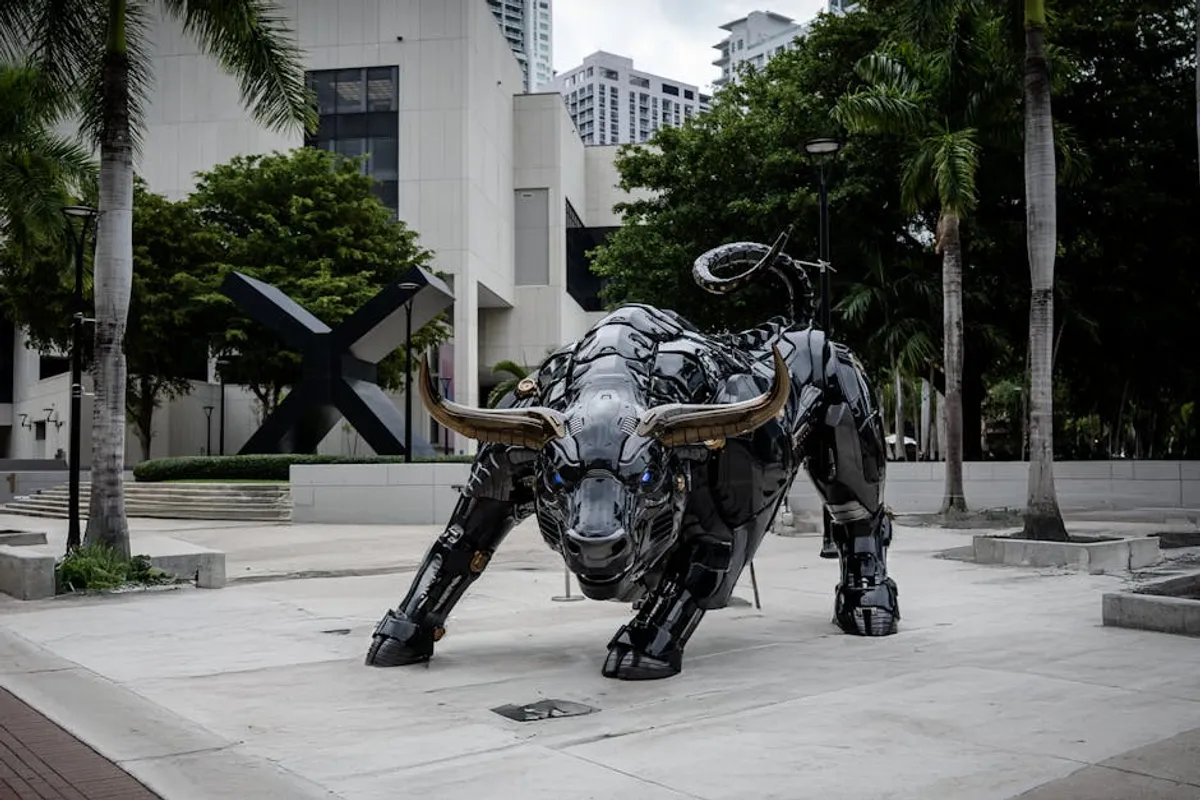
- Creating Visual Landmarks: Distinctive artworks become navigational points and memorable symbols, contributing to a city's unique visual lexicon.
- Fostering Distinctive Atmospheres: The type, scale, and placement of public art contribute to the overall mood and character of a neighborhood, whether it's vibrant, contemplative, avant-garde, or traditional.
For commercial entities, this linkage translates into enhanced placemaking efforts, making areas more desirable for residence, business, and visitation.
Economic Impact and Place Marketing
The economic benefits of strategically placed public art extend beyond direct tourism revenue. It acts as a catalyst for urban regeneration and economic development. Consider these impacts:
Increased Property Values: Areas with significant public art installations often experience an uptick in property desirability and value. This is due to an enhanced aesthetic environment, perceived cultural richness, and improved quality of life, which are premium factors for both residential and commercial tenants.
Tourism and Foot Traffic Generation: Iconic public art pieces draw visitors, increasing foot traffic for surrounding businesses, including retail, hospitality, and dining establishments. This sustained interest can turn transient visitors into repeat patrons and advocates for the area.
Attracting and Retaining Talent: Cities and districts rich in cultural amenities, including public art, are more appealing to a skilled workforce. Companies seeking to attract top talent often prioritize locations that offer a high quality of life and vibrant cultural scene, making public art an indirect recruitment tool.
Investment Attraction: A city's commitment to public art signals a forward-thinking, culturally aware environment, which can attract further investment in infrastructure, development, and business ventures. It demonstrates a long-term vision for urban quality.
Enhancing Community Engagement and Social Cohesion
Beyond economic metrics, public art plays a critical role in fostering community well-being and social capital. When art is integrated thoughtfully and often with community input, it can:
Create Shared Experiences: Public art installations become gathering points and conversation starters, encouraging interaction among diverse groups of people who might not otherwise connect.
Instill Civic Pride: Art that reflects local identity or is created by local artists can engender a strong sense of ownership and pride among residents, leading to greater community involvement and stewardship of public spaces.
Promote Inclusivity: Accessible art in public spaces ensures that cultural experiences are not limited by economic status or ability, making cultural enrichment available to all segments of the population.
Reduce Crime Rates: Well-maintained, aesthetically pleasing public spaces, often featuring art, are generally perceived as safer and more cared for, potentially deterring vandalism and other minor crimes by encouraging positive public use.
Pro Tip: When commissioning public art for commercial developments or urban revitalization projects, prioritize community engagement from the outset. Involving local residents, businesses, and cultural organizations in the selection and design process ensures the art resonates authentically with the area's identity, fostering long-term acceptance and stewardship rather than perceived imposition. This collaborative approach significantly amplifies the art's impact on social cohesion and public perception.
Branding Cities and Districts
In a competitive global landscape, cities and districts increasingly rely on unique branding to attract residents, businesses, and tourists. Public art serves as a powerful differentiator in this regard. A distinctive sculpture, a series of murals, or a curated art walk can become synonymous with a location, creating a memorable brand image. This visual identity aids in:
Marketing Campaigns: Unique public art provides compelling visual content for marketing materials, social media campaigns, and tourism promotions, making a destination stand out.
Media Attention: Novel or significant public art installations often attract local, national, and even international media coverage, generating organic publicity and enhancing a location's profile.
Establishing Cultural Hubs: Intentional placement of public art can help designate certain areas as cultural or creative districts, drawing artists, galleries, and related businesses, thereby reinforcing a specific brand identity.
Strategic Integration for Long-Term Value
The true value of public art in shaping urban identity is realized through strategic, long-term planning, not merely through isolated installations. Developers and urban planners should consider:
Master Planning: Integrating public art considerations into the earliest stages of urban design and development master plans ensures coherence and maximum impact. This includes allocating dedicated budgets for acquisition, installation, and ongoing maintenance.
Curatorial Vision: Developing a clear curatorial vision ensures that public art contributes meaningfully to the desired urban identity, rather than appearing as disparate, unrelated pieces. This vision should align with the area's historical, cultural, and commercial objectives.
Maintenance and Preservation: Public art is a long-term asset. Adequate provisions for maintenance, repair, and conservation are critical to preserving its aesthetic quality and structural integrity, protecting the initial investment, and ensuring its continued contribution to urban identity.
Evaluation Metrics: While some benefits are qualitative, establishing metrics for evaluating the impact of public art (e.g., foot traffic data, social media engagement, property value trends in proximity, community survey feedback) can demonstrate return on investment and inform future initiatives.
Public art is an indispensable tool for forging a distinct and resonant urban identity. Its capacity to stimulate economic growth, foster community bonds, and differentiate places in a crowded market makes it a critical component of contemporary urban development and place-making strategies. Investing in public art is not merely an expense; it is a strategic decision that cultivates enduring value for cities, businesses, and their inhabitants.
Frequently Asked Questions
What is the primary commercial benefit of public art for developers?
The primary commercial benefit is enhanced property value and desirability. Public art attracts tenants and buyers, increases foot traffic for retail, and contributes to a premium perception of the development or district.
How does public art contribute to a city's brand?
Public art provides unique visual landmarks and cultural narratives that differentiate a city or district. These distinctive elements become recognizable symbols, enhancing marketing efforts and attracting media attention, thereby strengthening the city's overall brand identity.
Is community involvement necessary for public art projects?
While not always legally mandated, community involvement is highly recommended. It ensures the art resonates with local values, fosters civic pride, reduces potential opposition, and encourages long-term stewardship, maximizing the art's social and cultural impact.
What are the long-term considerations for public art?
Long-term considerations include dedicated budgets for ongoing maintenance and preservation, strategic integration into master plans, and a clear curatorial vision to ensure the art remains relevant and contributes consistently to the urban identity over time.