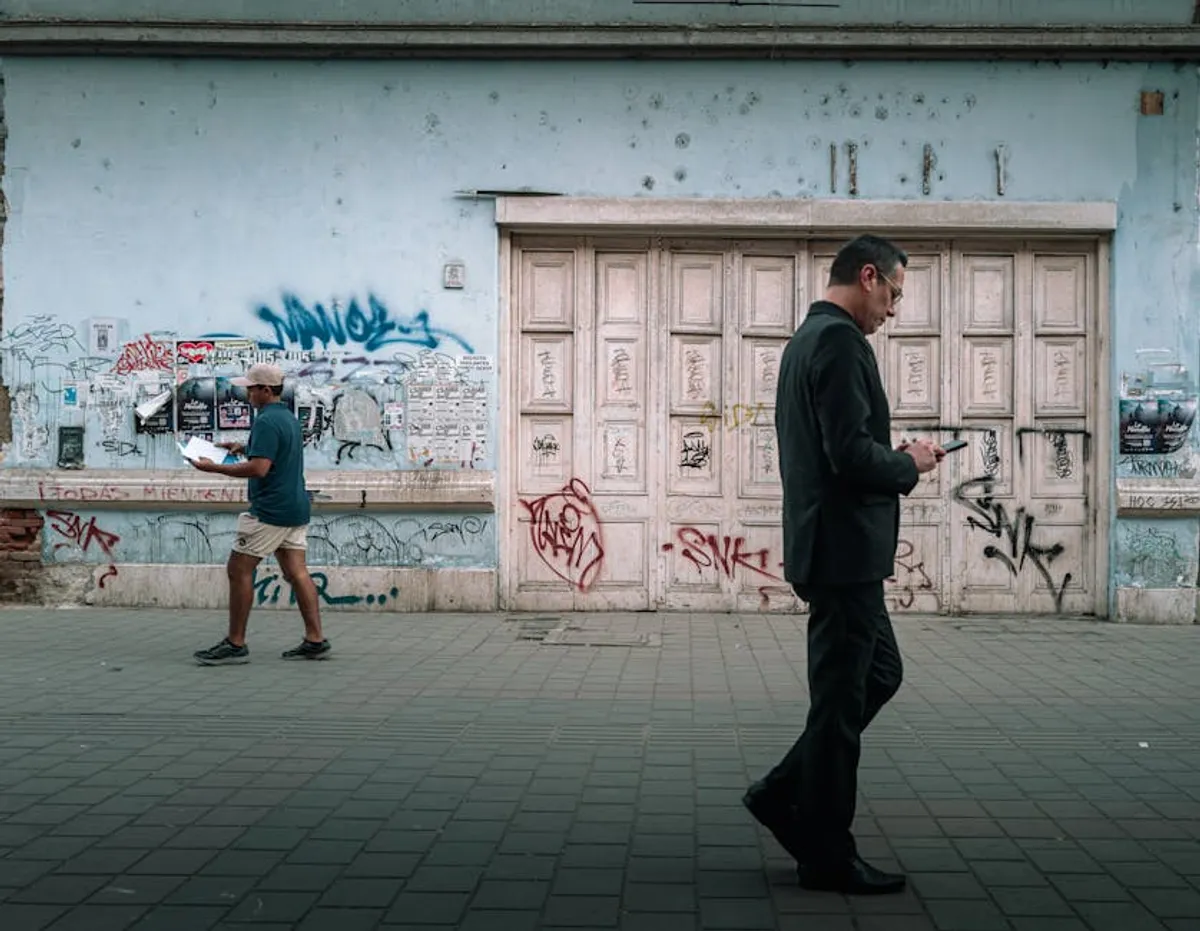
Understanding the evolution of street art offers more than just cultural insight; it provides a framework for recognizing how public spaces are redefined, how communities engage with their environment, and how brands can authentically connect with urban narratives. From illicit tags to sanctioned murals, street art movements have consistently altered city cultures, influencing everything from local tourism and property values to advertising strategies and civic identity. For marketers, urban planners, and cultural institutions, grasping these shifts is crucial for developing effective engagement strategies that resonate with contemporary urban sensibilities and capitalize on the commercial potential embedded within public art.
The Dawn of Modern Street Art: Graffiti's Rise (1970s-1980s)
New York City's Subway Canvases: Tagging and Wildstyle
The genesis of modern street art is often traced to the subway systems of New York City in the late 1960s and early 1970s. What began as simple tags—stylized signatures—by individuals like TAKI 183 and JULIO 204, rapidly evolved into complex "wildstyle" pieces covering entire train cars. This period marked a significant cultural shift: public transport, a utilitarian space, became an unsolicited gallery. While largely illegal and often associated with urban decay, this movement fostered a distinct visual language and subculture. Commercially, it demonstrated the power of pervasive, unsanctioned visual communication to capture attention and establish presence, laying groundwork for future guerrilla marketing tactics. The sheer volume and visibility of these works ensured they became an undeniable part of the urban experience, forcing a re-evaluation of public art's definition.
The Socio-Political Edge: Keith Haring and Jean-Michel Basquiat
As graffiti gained momentum, a parallel movement emerged that began to bridge the gap between street and gallery. Artists like Keith Haring and Jean-Michel Basquiat, though distinct in their approaches, both started their careers with public interventions. Haring's chalk drawings in subway stations and Basquiat's SAMO© tags across downtown Manhattan infused street aesthetics with profound socio-political commentary. This transition elevated street art beyond mere vandalism in the eyes of many, demonstrating its capacity for intellectual discourse and cultural critique. Their eventual success in the mainstream art world validated street art as a legitimate, commercially viable form, opening pathways for other street artists to gain recognition and for brands to explore collaborations that tapped into this authentic, edgy appeal.
Expanding the Medium: Stencils and Stickers (1990s-2000s)
The Banksy Effect: Anonymity, Irony, and Global Reach
The late 1990s and early 2000s saw the rise of stencil art, a technique offering speed, reproducibility, and a distinct aesthetic. Banksy, perhaps the most globally recognized street artist, utilized stencils to disseminate poignant, often satirical, political and social messages across urban landscapes worldwide. His anonymity, combined with the often-ironic nature of his work, created a mystique that amplified his impact. Commercially, Banksy's work transformed street art into a significant cultural commodity, driving tourism to cities featuring his pieces and generating immense value in the art market. This demonstrated how a strong, consistent artistic voice, even when anonymous, could command global attention and create substantial economic ripple effects, influencing urban development and cultural branding.
Sticker Art and Wheatpasting: Accessible Urban Interventions
Beyond stencils, sticker art and wheatpasting offered even more accessible and democratic forms of urban intervention. Artists could pre-produce small, adhesive works or large paper posters off-site and deploy them quickly in public spaces. This low-cost, high-impact method allowed for widespread participation and the rapid dissemination of imagery and messages, often with a DIY, anti-establishment ethos. For marketers, these techniques provided early lessons in viral visual campaigns and community-driven content, showcasing how easily digestible, repeatable visual motifs could build brand recognition and foster a sense of shared identity among an audience, even without traditional advertising budgets.
Pro Tip: When considering the commercial application of street art, prioritize authenticity and respect for the art form's origins. Brands seeking to leverage street art's appeal should collaborate directly with artists, support community initiatives, and avoid superficial appropriation that risks alienating the very culture they aim to engage. Genuine partnerships foster credibility and deliver more impactful, resonant campaigns.
Digital Integration and Legalization: Street Art in the 21st Century
Murals as Urban Regeneration Tools
The 21st century has witnessed a significant shift towards the legalization and commissioning of street art, particularly large-scale murals. Cities globally now embrace murals as tools for urban regeneration, community engagement, and cultural tourism. Programs in Philadelphia (Mural Arts Program), Miami (Wynwood Walls), and Berlin have transformed neglected areas into vibrant cultural destinations. This shift presents direct commercial opportunities for artists, property owners, and local businesses. Murals attract foot traffic, increase property values, and create iconic backdrops for social media content, effectively acting as free marketing for urban districts and contributing to a city's unique brand identity.
Augmented Reality and Interactive Street Art
The advent of digital technology has introduced new dimensions to street art. Augmented Reality (AR) allows artists to overlay digital content onto physical murals, creating interactive experiences accessible via smartphones. This blending of physical and digital art offers novel engagement models, extending the artwork's lifespan and reach. For instance, a mural might "come alive" with animation or sound when viewed through an AR app. This innovation creates new commercial avenues, from sponsored AR experiences to immersive digital art tours, providing brands and cultural institutions with cutting-edge ways to connect with audiences and offer unique, memorable interactions.
Key characteristics of impactful street art movements:
- Accessibility: Often created in public spaces, free for all to view.
- Immediacy: Messages and aesthetics delivered directly to urban dwellers without traditional gatekeepers.
- Relevance: Frequently reflects contemporary social, political, or cultural issues.
- Adaptability: Evolves with new techniques, technologies, and urban contexts.
- Community Engagement: Fosters dialogue, sparks debate, and can unite or challenge local populations.
- Ephemeral Nature: Many works are temporary, contributing to their mystique and urgency.
Practical Application for Urban Stakeholders
For SEO professionals, marketers, and urban planners, understanding street art movements means recognizing potent cultural currents. Leveraging this knowledge can inform content strategies for location-based services, develop compelling narratives for urban revitalization projects, and identify authentic cultural touchpoints for brand integration. This involves more than just commissioning a mural; it requires an understanding of subcultures, artistic intent, and community impact. By engaging with street art authentically, stakeholders can tap into a powerful, visually driven form of communication that resonates deeply with urban audiences, fostering genuine connection and driving economic value through cultural enrichment and targeted engagement.
Frequently Asked Questions
How do street art movements influence urban tourism?
Street art movements create unique cultural landmarks and attractions, drawing tourists interested in contemporary art, photography, and authentic urban experiences. Cities with vibrant street art scenes often see increased foot traffic, local business patronage, and global media attention, contributing significantly to their tourism economy.
Can street art increase property values?
Yes, strategically placed and well-regarded street art, particularly large-scale murals, can contribute to the revitalization of neighborhoods. This cultural enrichment often leads to increased desirability, attracting new residents and businesses, which can, in turn, positively impact property values in the area.
What are the commercial opportunities for brands in street art?
Brands can engage with street art through commissioned murals, sponsored art festivals, collaborations with prominent artists for advertising campaigns, or by integrating AR experiences with existing public art. These initiatives offer authentic brand visibility, connect with specific demographics, and contribute to a brand's cultural relevance.
How can cities integrate street art into urban planning effectively?
Effective integration involves establishing public art programs, allocating dedicated spaces for murals, developing clear permitting processes, and fostering collaborations between artists, community groups, and developers. This approach ensures street art contributes positively to urban aesthetics and community well-being.